Let’s makewhat you & I imagine— real.
I meet people with curiosity, align on what matters, design it, and build it with AI.
Gabriel J-F Kroll
SR. PRODUCT DESIGNER


Work

I founded Open Orbit Studio to run two-week product sprints: a working build and real customer insight. AI made it cheap to build anything. It did not make it easier to know what sticks.
openorbit.studio
The elastic field. The aperture, whose leaves lean toward the hand. A gravity well, drawn as mass bending the plane under it.

I founded Meso+ and still bootstrap it, a resistance training app built end-to-end with AI: periodized plans, daily readiness check-ins, and training insights.
mesoplus.app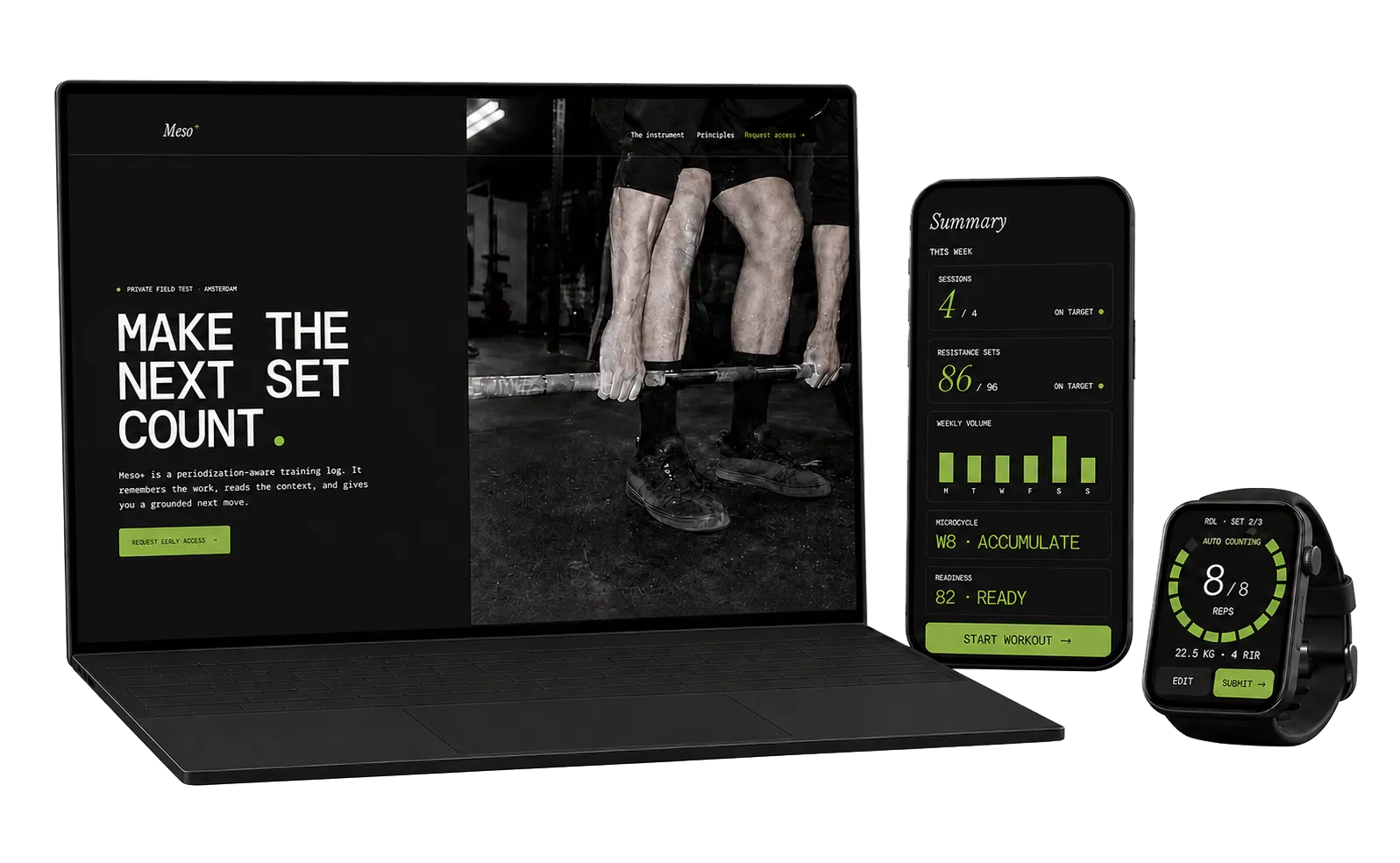
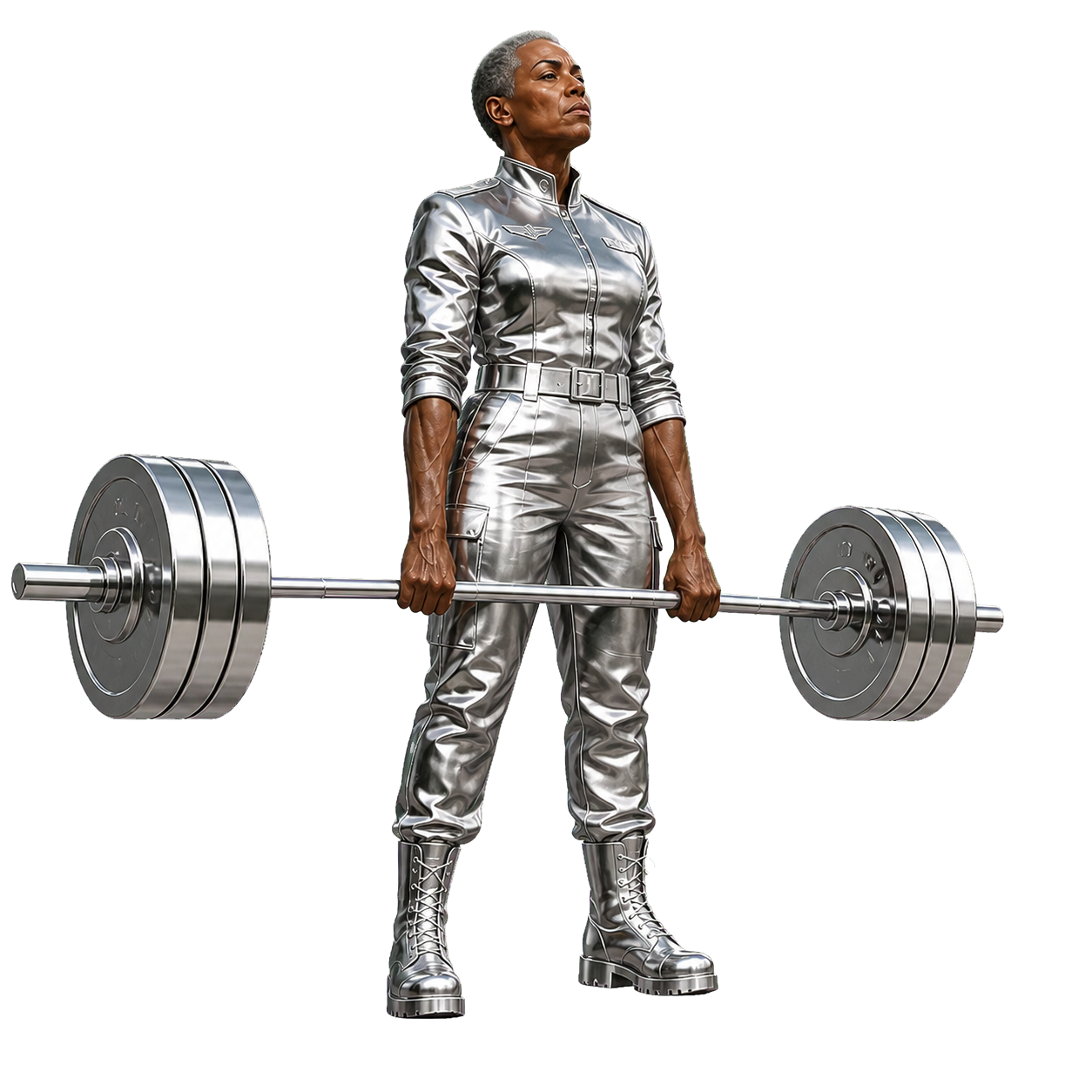
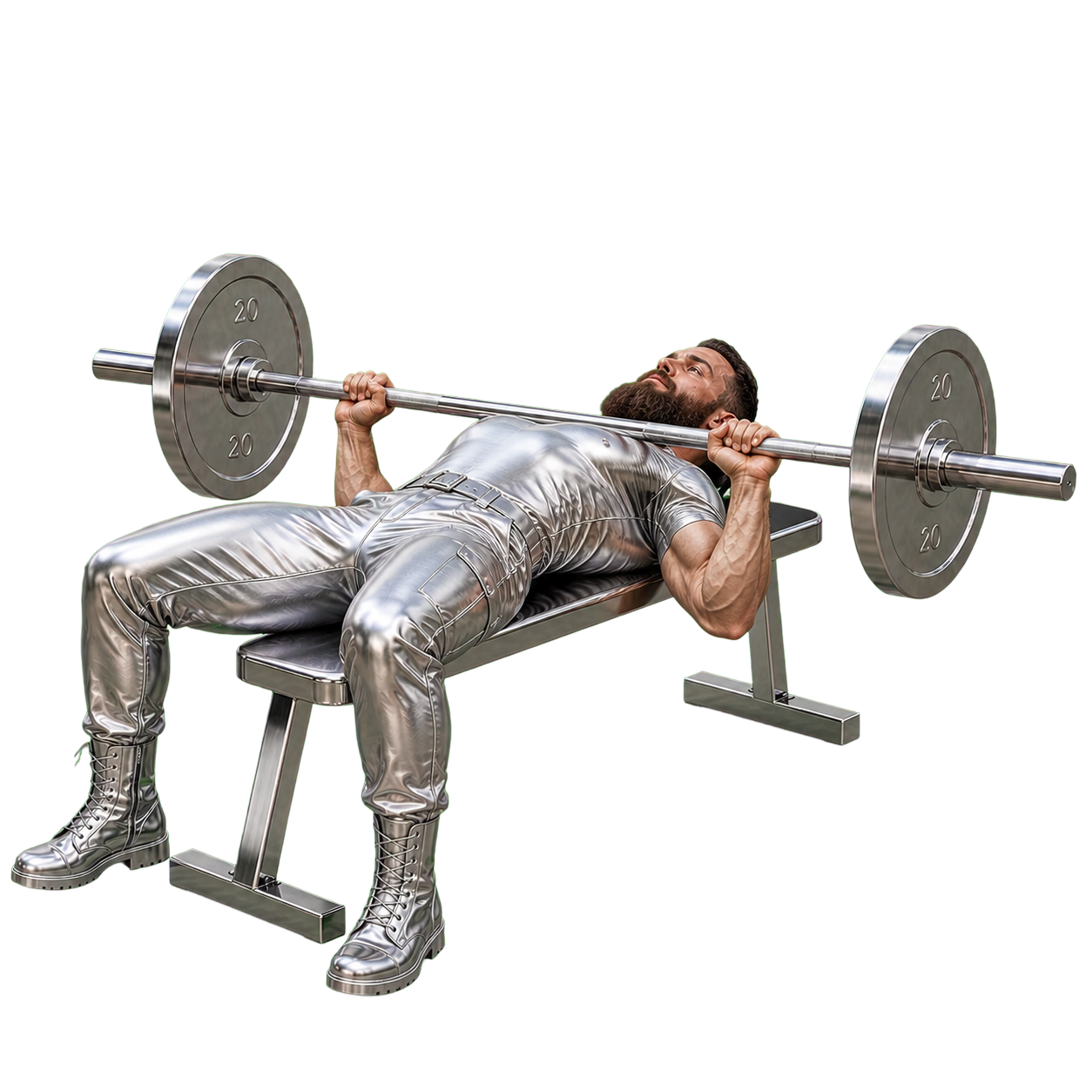
- Overhead press04 Reps60 kg
- Deadlift01 Reps140 kg
- Bench press03 Reps60 kg
Tally extra sets. Sets per week
90/ 114
Muscle group
Weekly volume, muscle by muscle. Calm the nervous system.

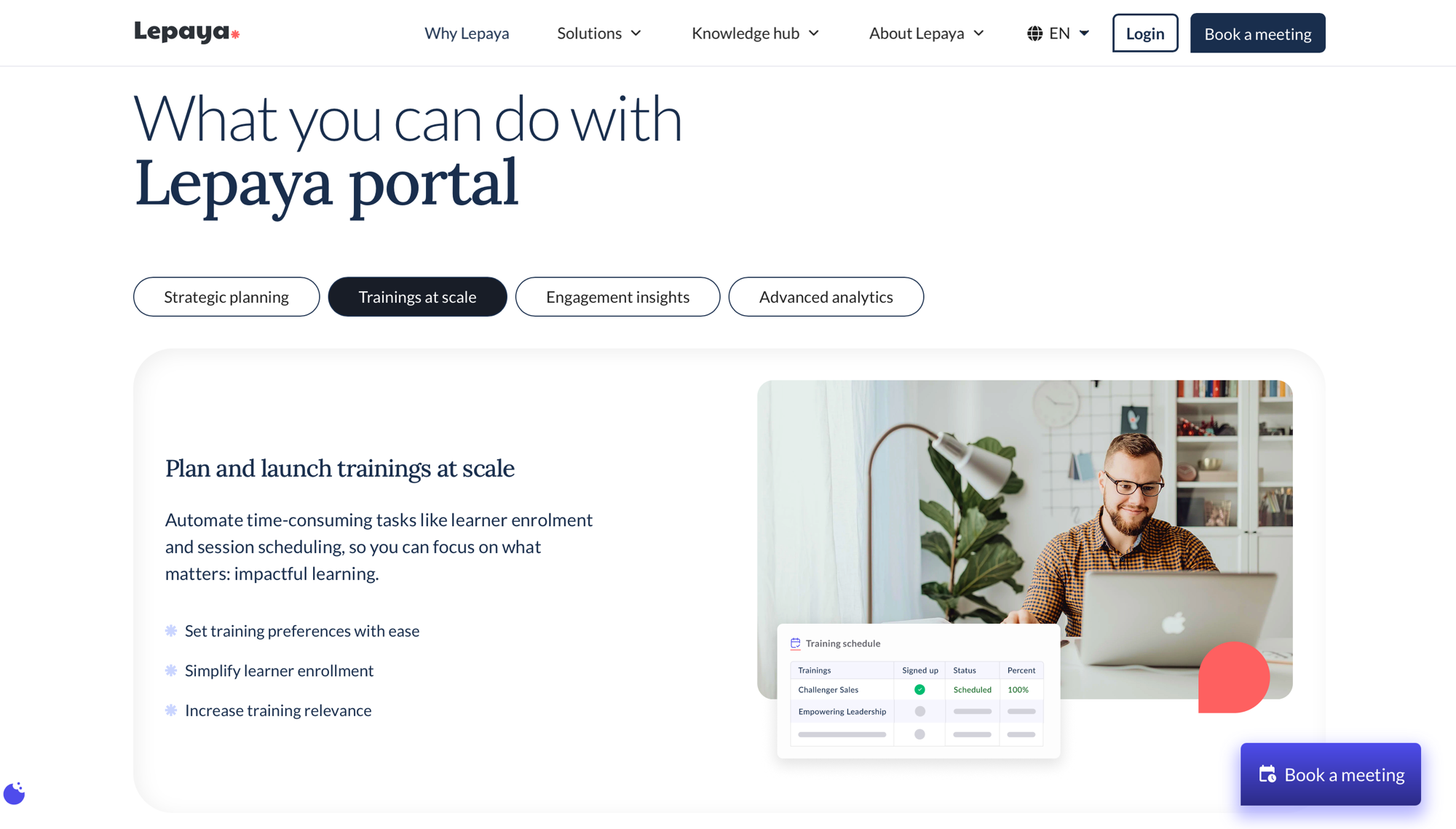
I designed for Lepaya in Amsterdam, the power skills training company, which grew from 80 people to 300 in my four years there. The mission was to upskill two million learners in five years. As one of three designers, I led the build of the design system.
lepaya.com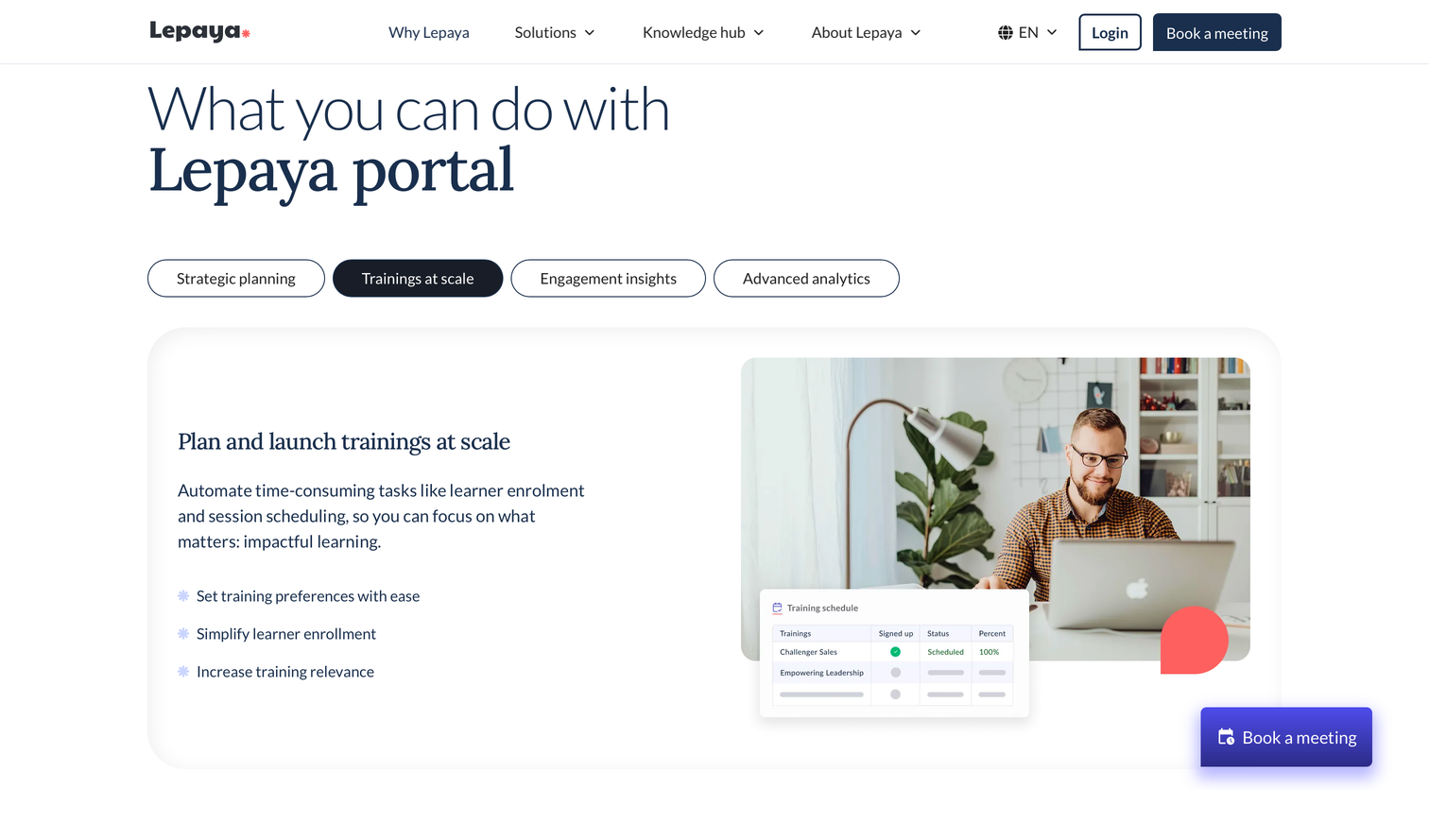

Learners start onboarding by writing an intention. Clients schedule every training in one portal. 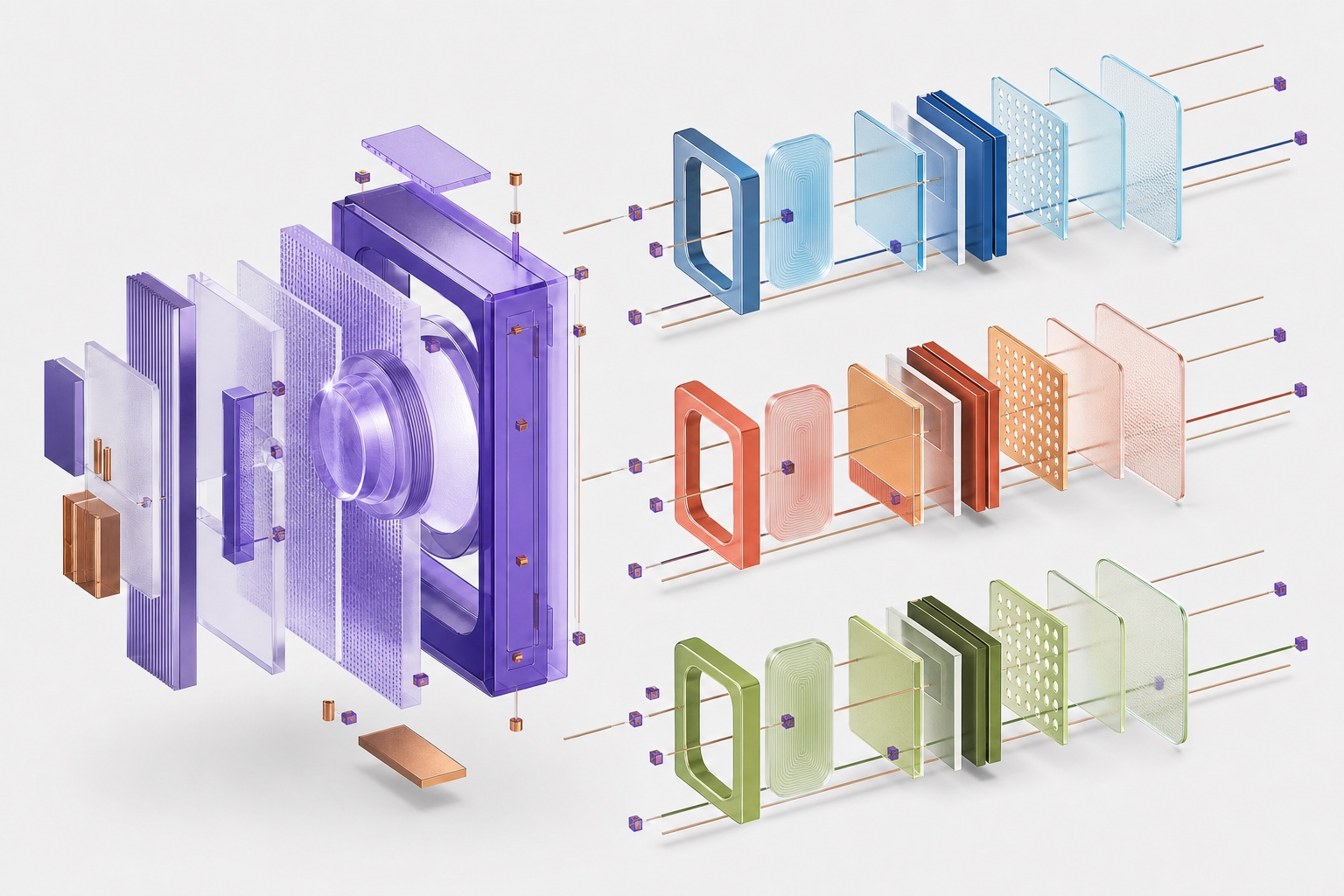
The design system lets clients brand the app.

I started as an intern, with a mentor who taught me the innovation process. Joining the 30-designer-strong team, I consulted for clients, opening problems with co-creative workshops and design sprints, on products and services that improved the lives of millions.
daresay on linkedin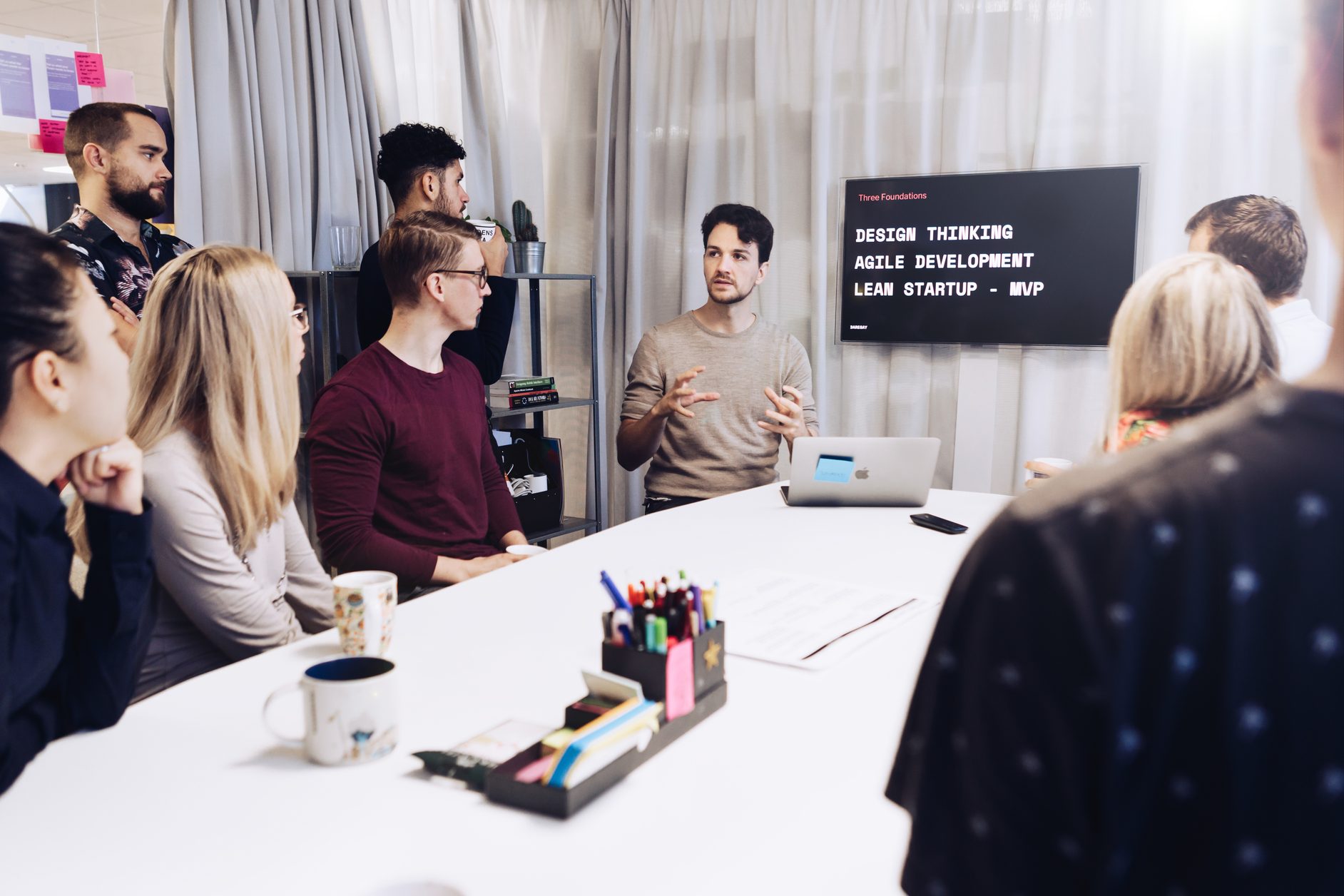
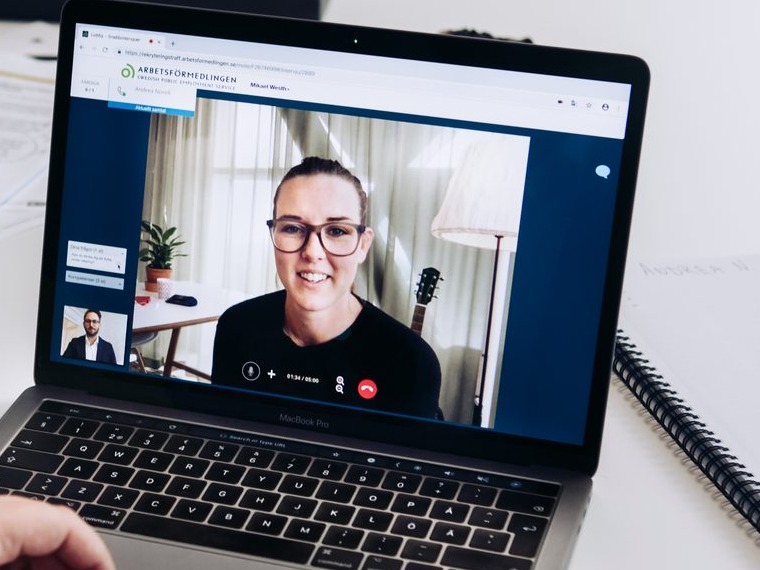

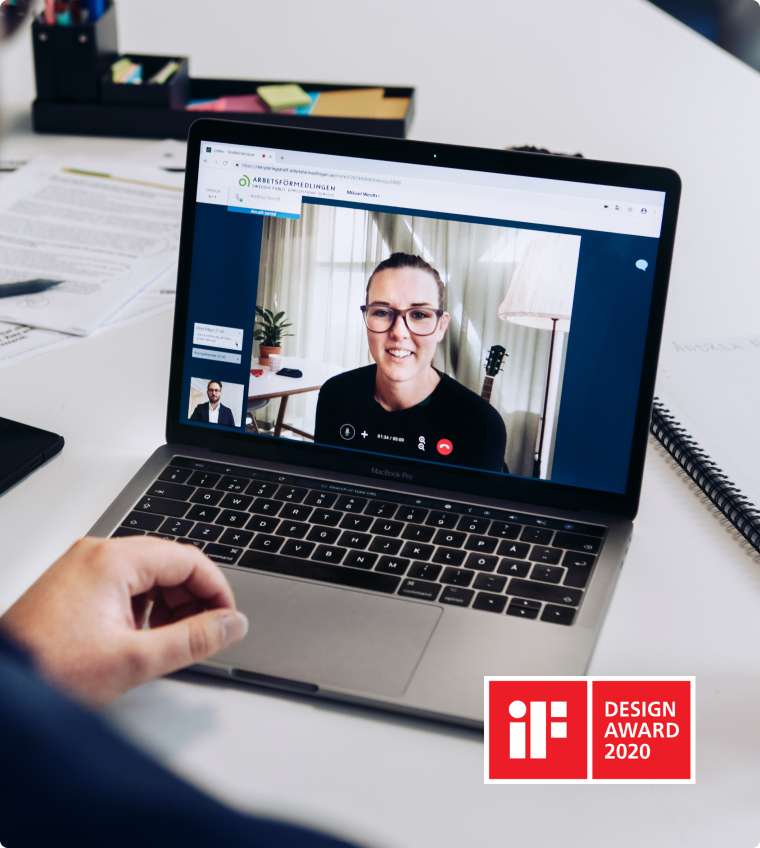
Speed Interviews, a service for businesses to hire jobseekers at scale and over distance. 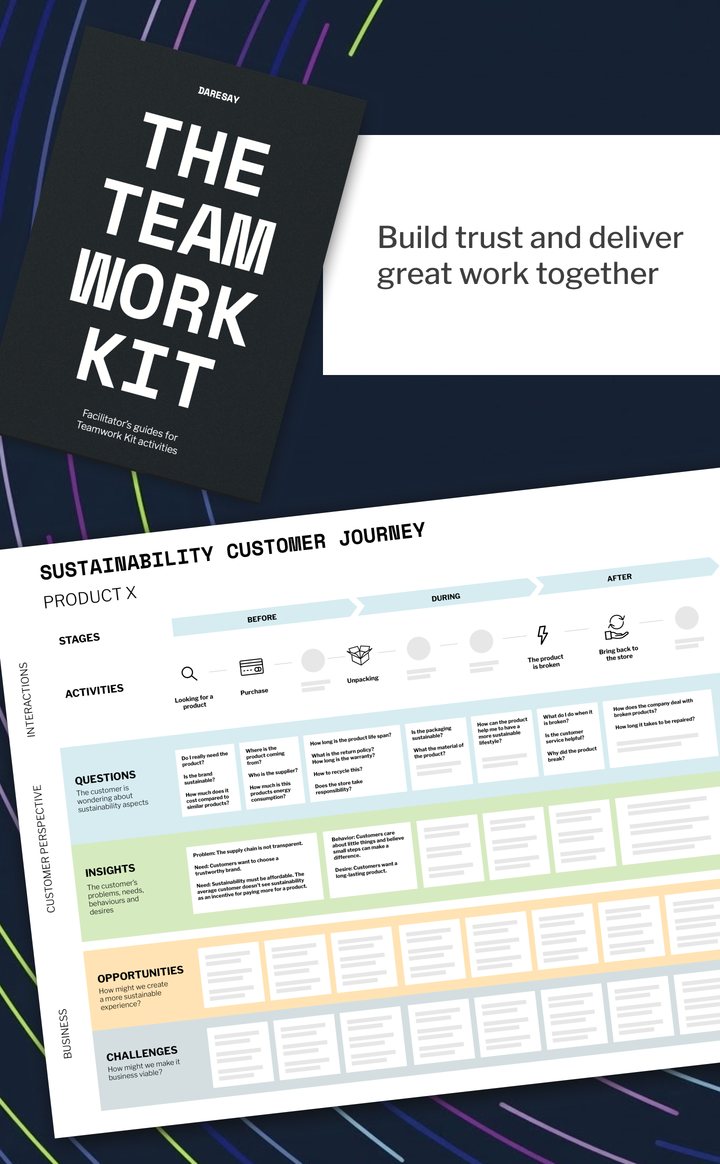
I contributed to the Daresay Toolkit. 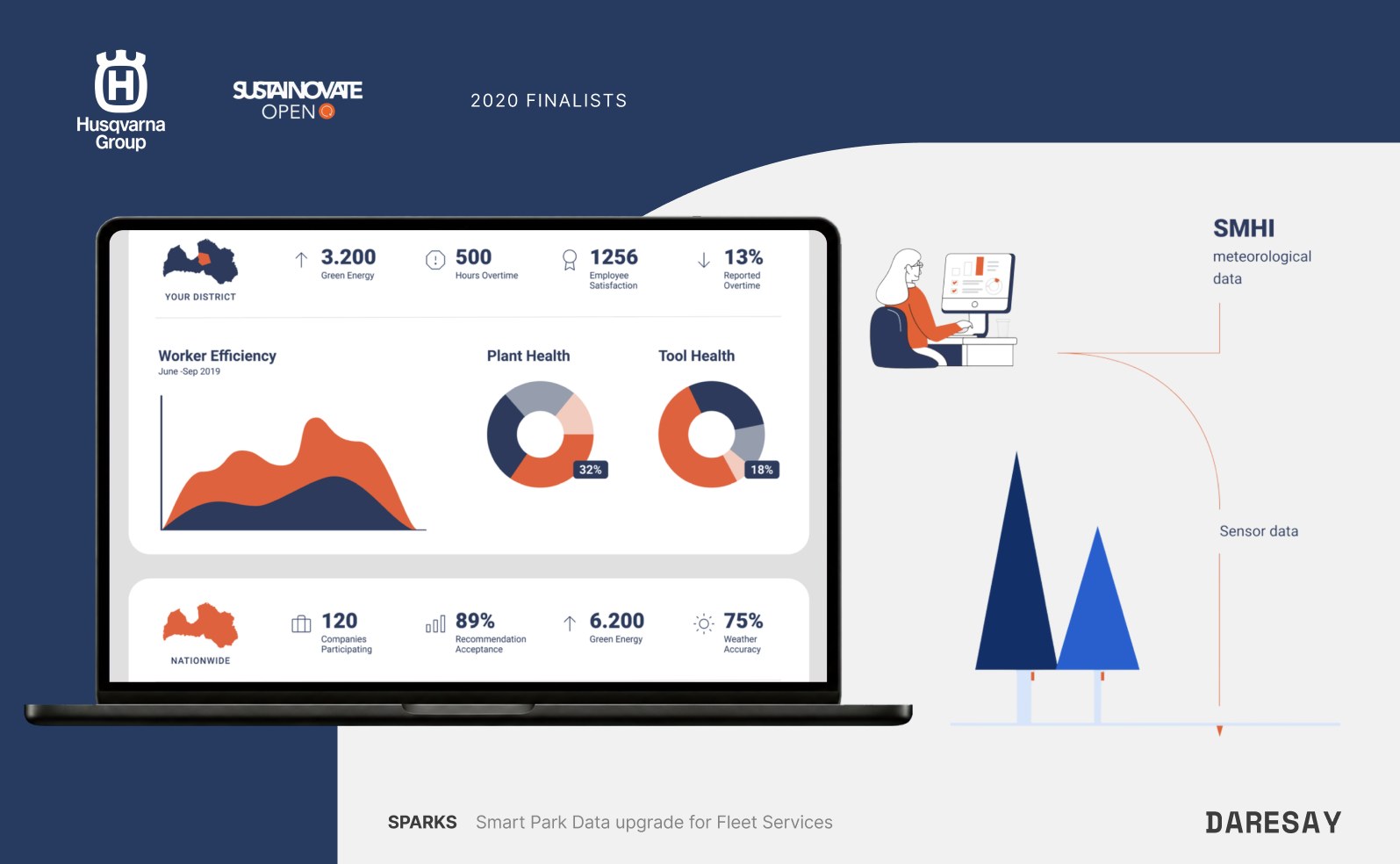
Our IoT-powered SaaS concept made Husqvarna's Sustainovate finals.
Cases

About
I’m from Vienna. Moved to Stockholm. Now I live in Amsterdam.
Holding my first touchscreen, I wanted to build an app for that.
Started out as a UX design consultant through Daresay, then joined the product team at the EdTech scale-up Lepaya.
In 2025 I founded Open Orbit Studio. Now I build apps like the workout tracker Meso+.
I design services that reach millions to improve people’s lives — sustainably, ideally regeneratively.
Gabriel J-F Kroll

Inspiration
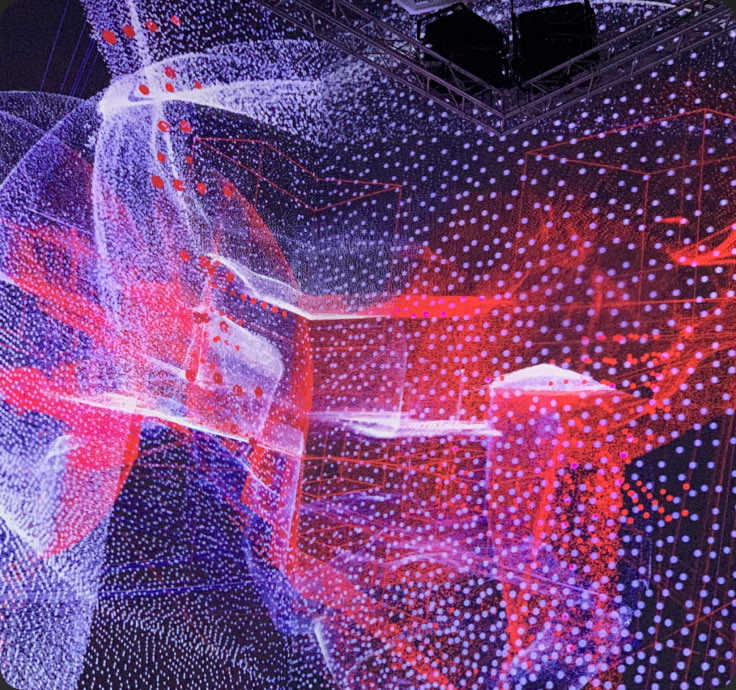
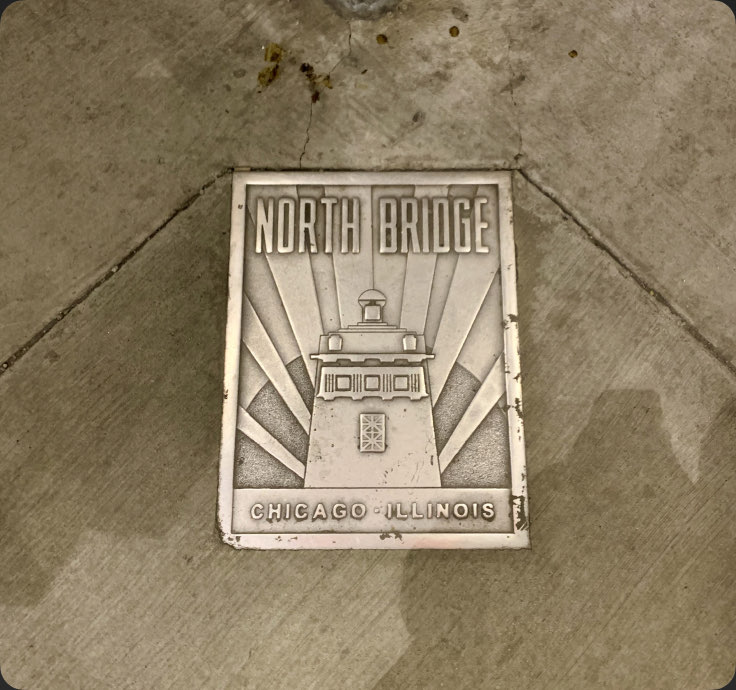
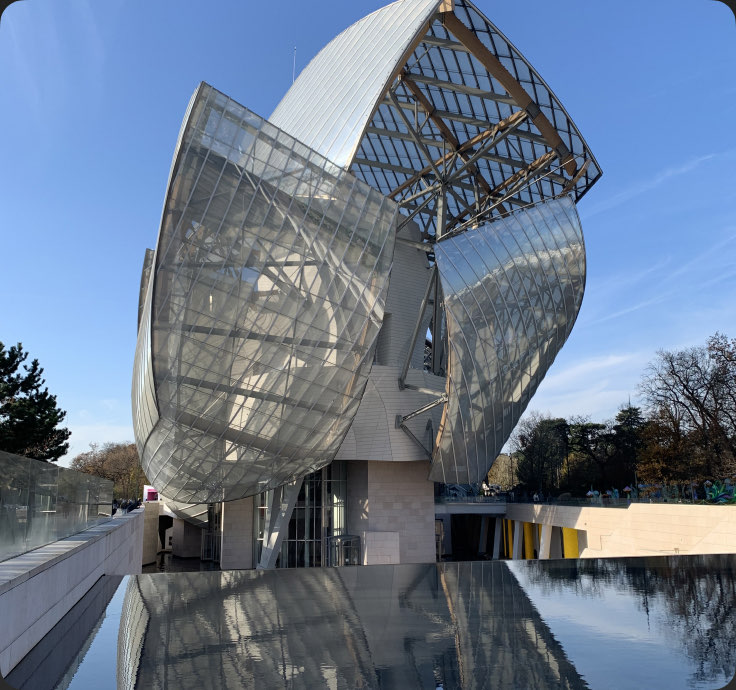
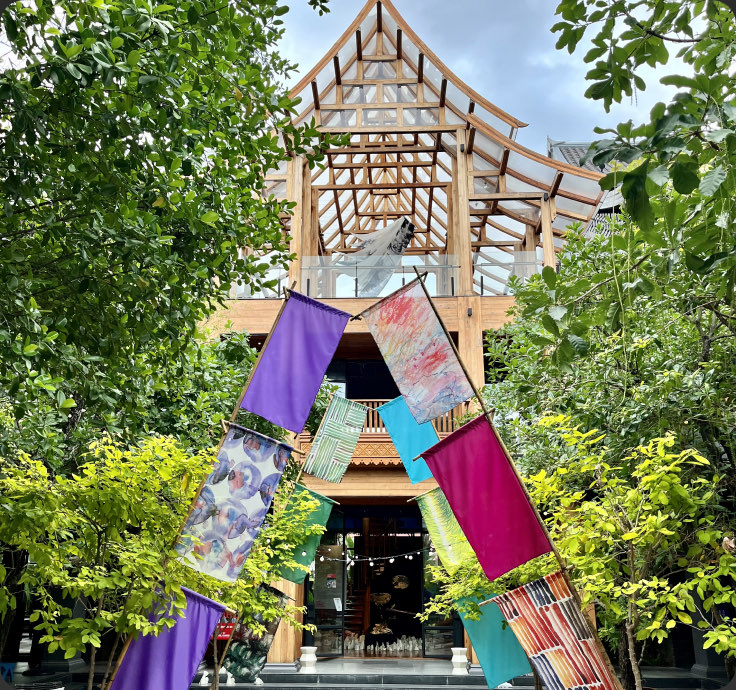
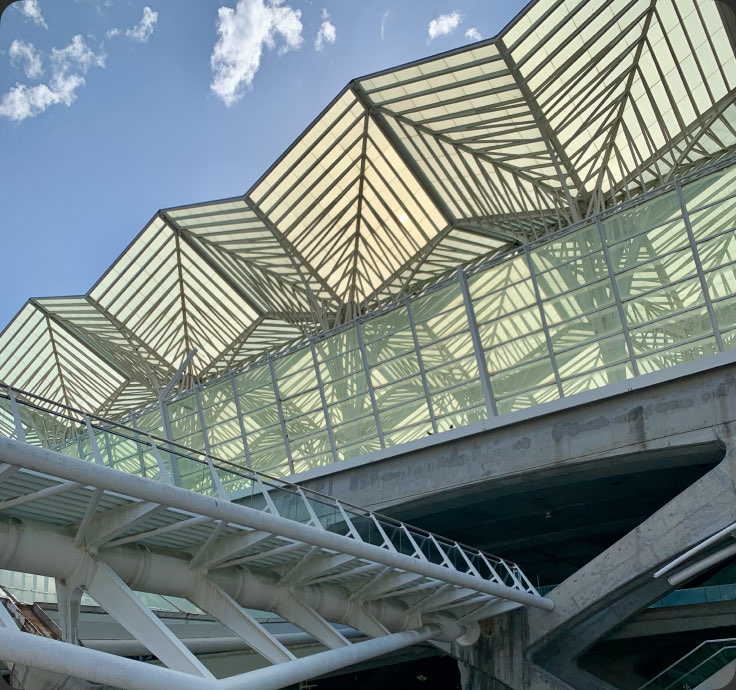

I love to travel and explore different places and cultures. Nature, art, architecture, music, food from all around the world are experiences I treasure.